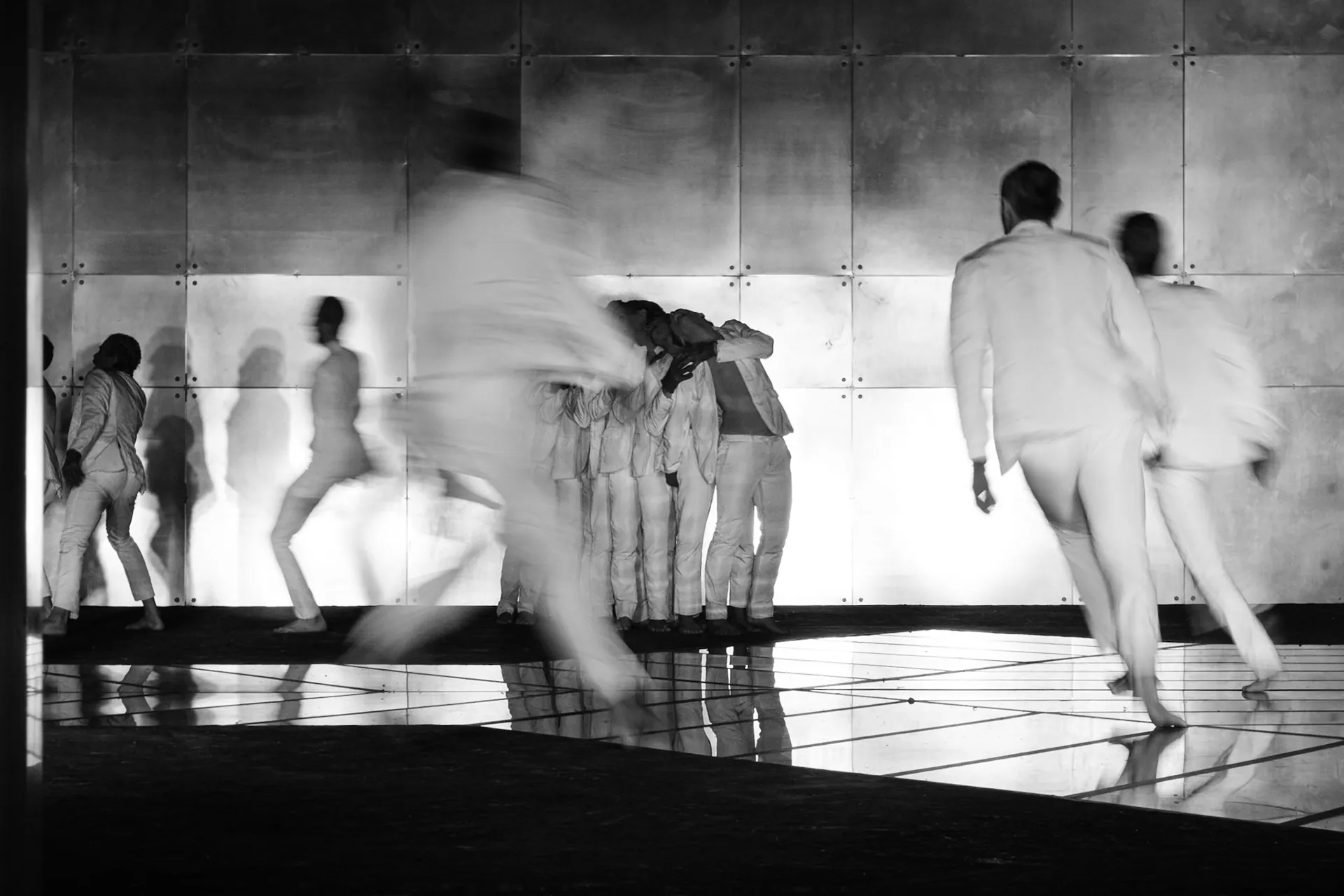
Backstage at the opera, in black and white
Make-up, costumes, waiting in the wings: backstage at Turandot and La Juive at Teatro Regio di Torino, told in black and white, one photograph at a time.
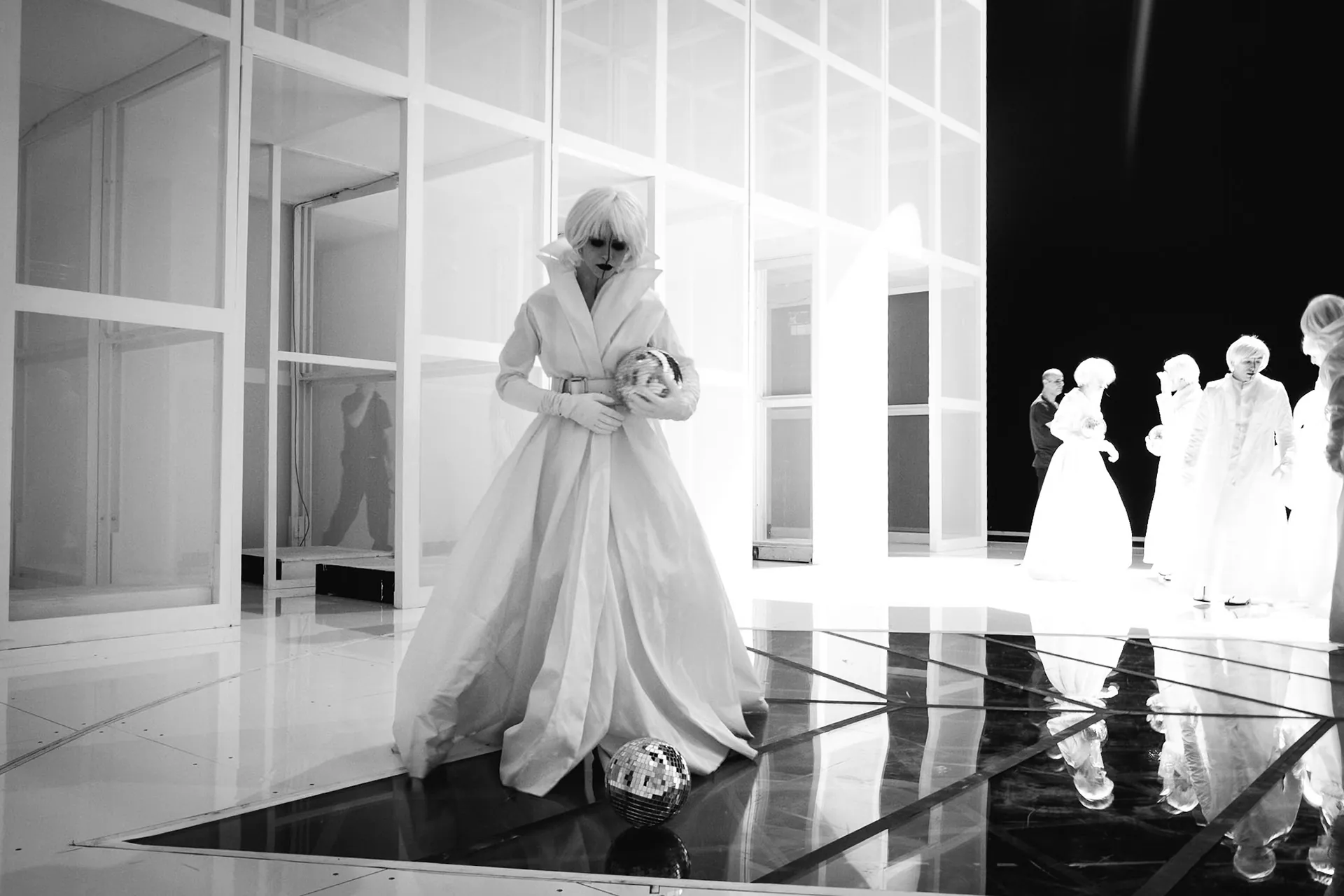
The audience sees two or three hours of performance. It does not see the weeks of work by seamstresses, make-up artists, wig makers, stagehands, props and lighting crews and stage managers that make it possible. This article is mostly pictures: two productions at Teatro Regio di Torino, five years apart, seen from the side of the stage that stays dark.
Giacomo Puccini’s Turandot, in January 2018 conducted by Gianandrea Noseda, and Fromental Halévy’s La Juive, in October 2023 with Daniel Oren on the podium, were both directed by Stefano Poda, who usually designs sets, costumes and lighting as well. Both works have an unusual history. Turandot is Puccini’s last opera, left unfinished at his death in 1924 and premiered at La Scala in 1926. La Juive is one of the landmarks of French grand opéra: it opened at the Paris Opéra in 1835 and is rarely staged today.
Before the curtain
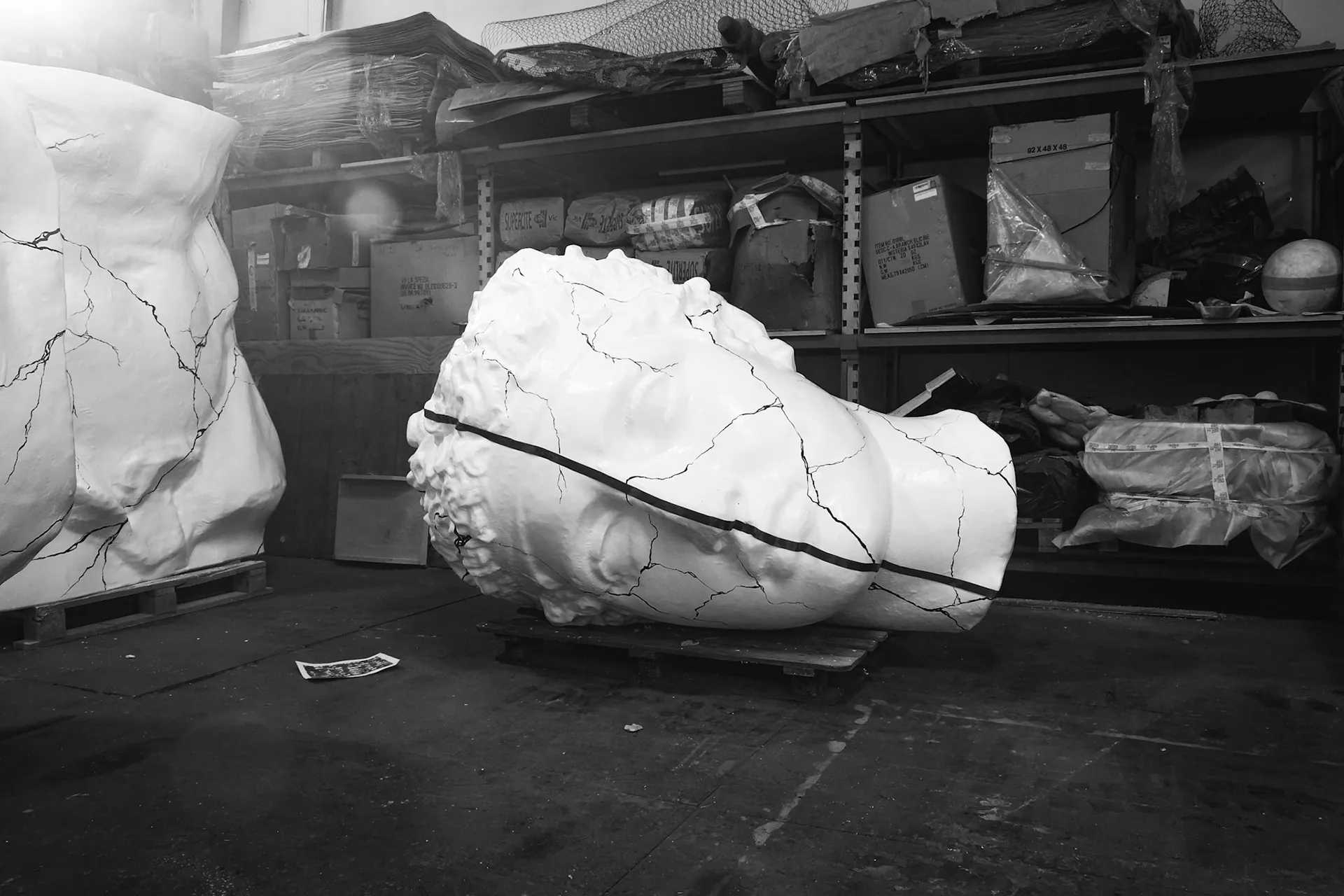
Turandot. One of the stage sculptures, resting on the floor of the store, waits to go on stage.
Backstage begins hours before the show, while departments prepare scenery, props and costumes. These are the quietest pictures: huge objects out of context, which on stage will be seen for a few minutes.
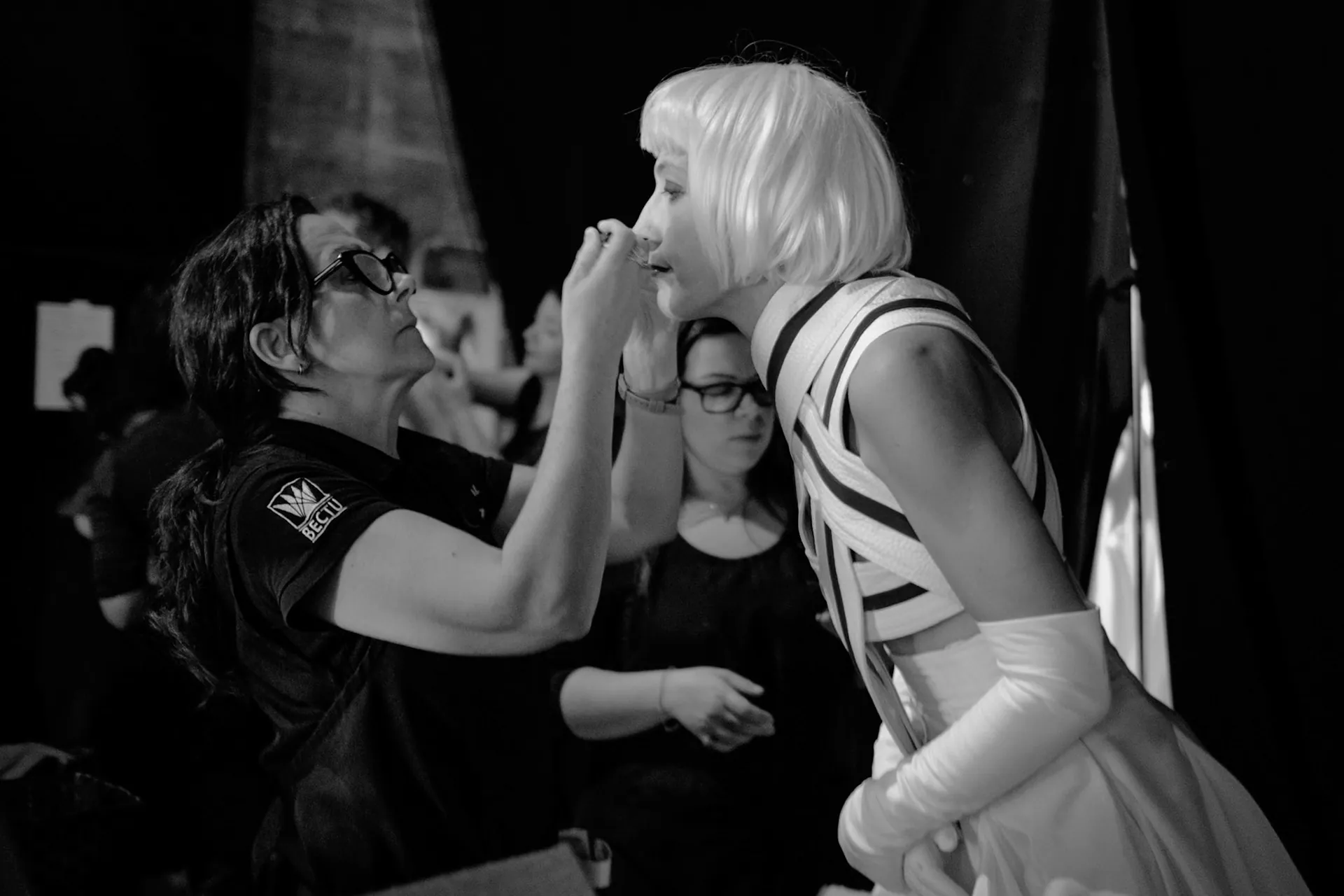
Turandot. A final touch in the make-up room before the entrance.
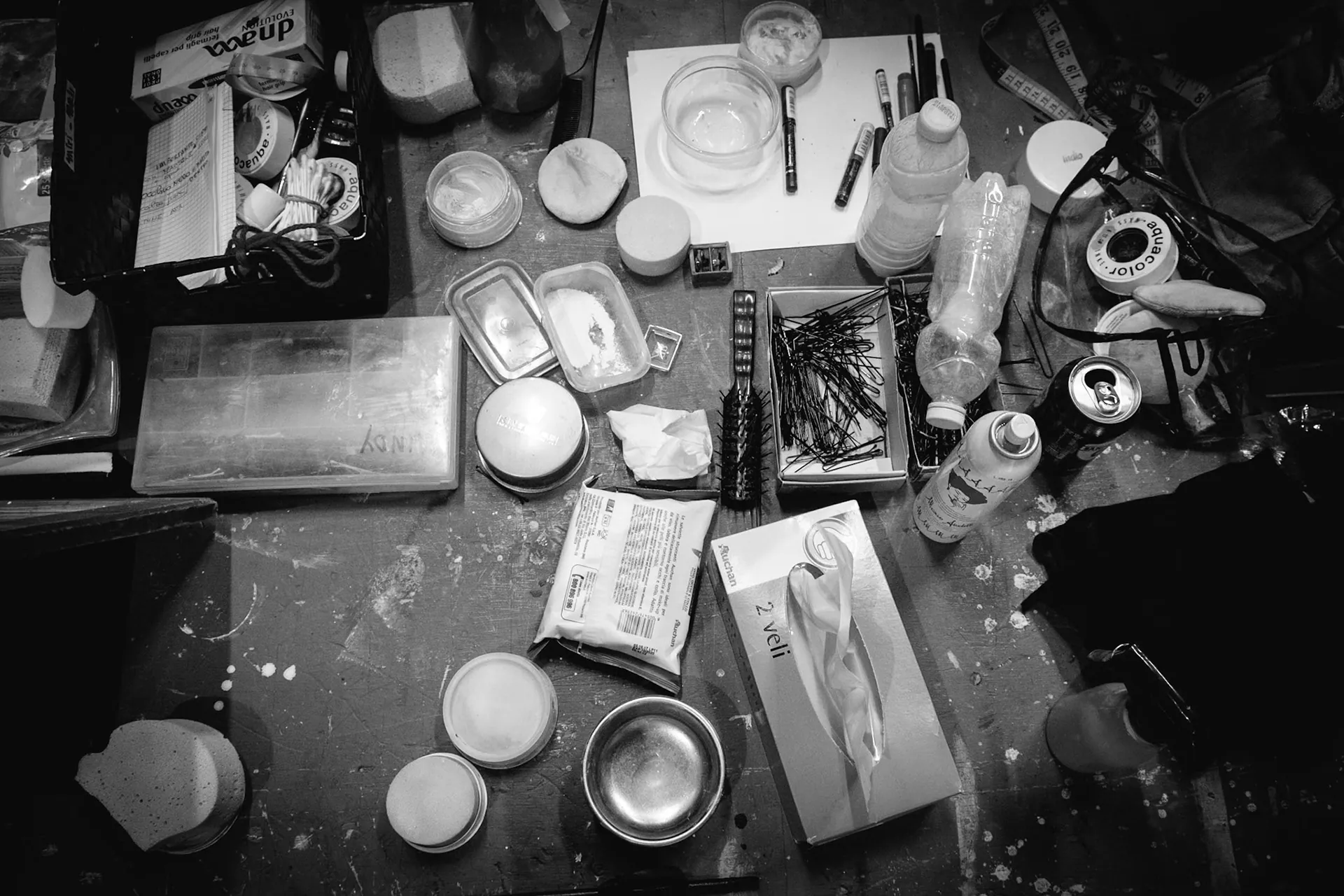
The make-up table from above. By the end of the evening it will look like this again, ready for the next performance.
In the wings
Space in the wings is tight and time follows the show. We move in agreement with the stage manager, never in the way of scene changes, entrances and exits. The best pictures often come in the minutes of waiting, when nobody is posing.
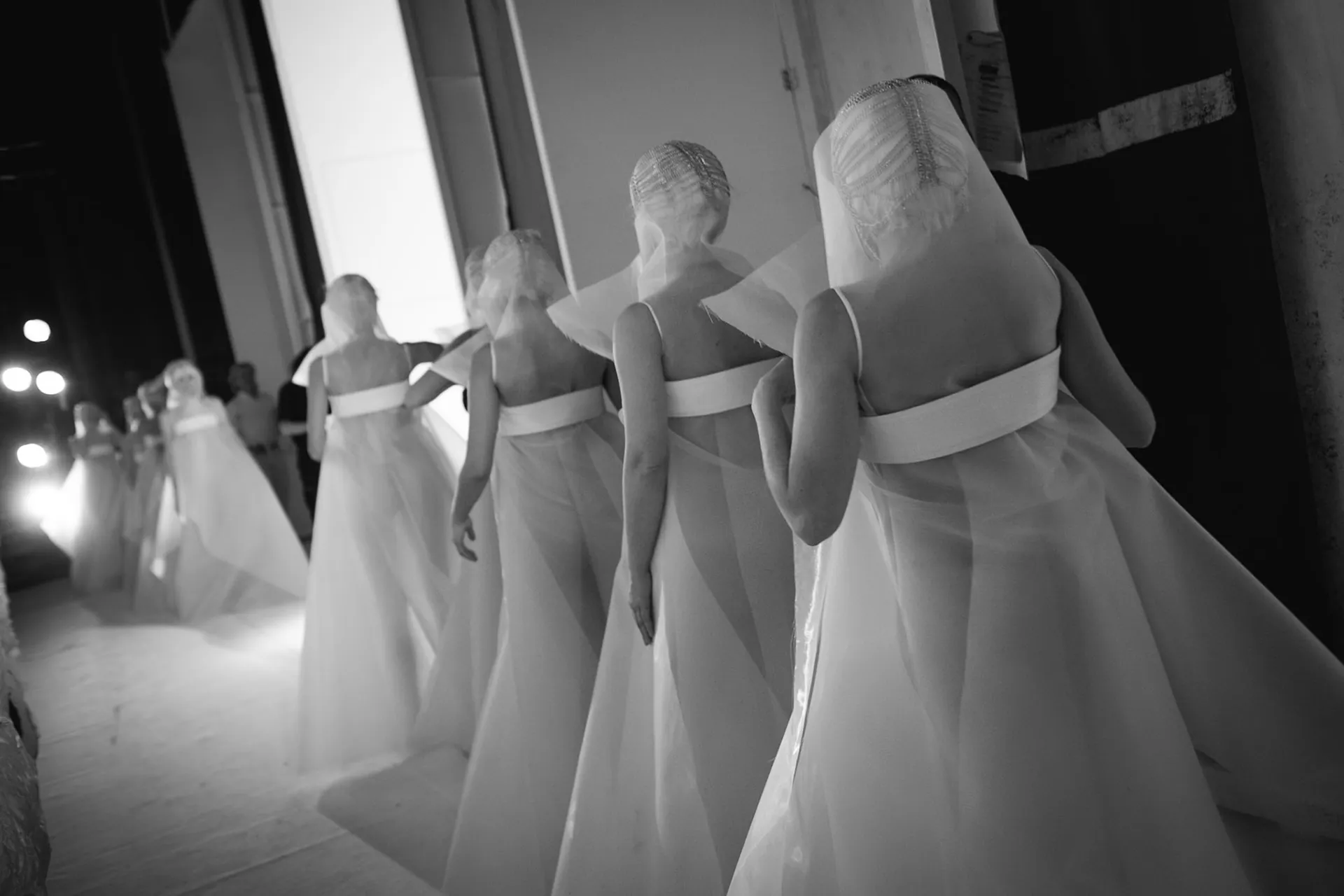
Turandot. Chorus members head for the stage, with the darkness of the wings behind them.
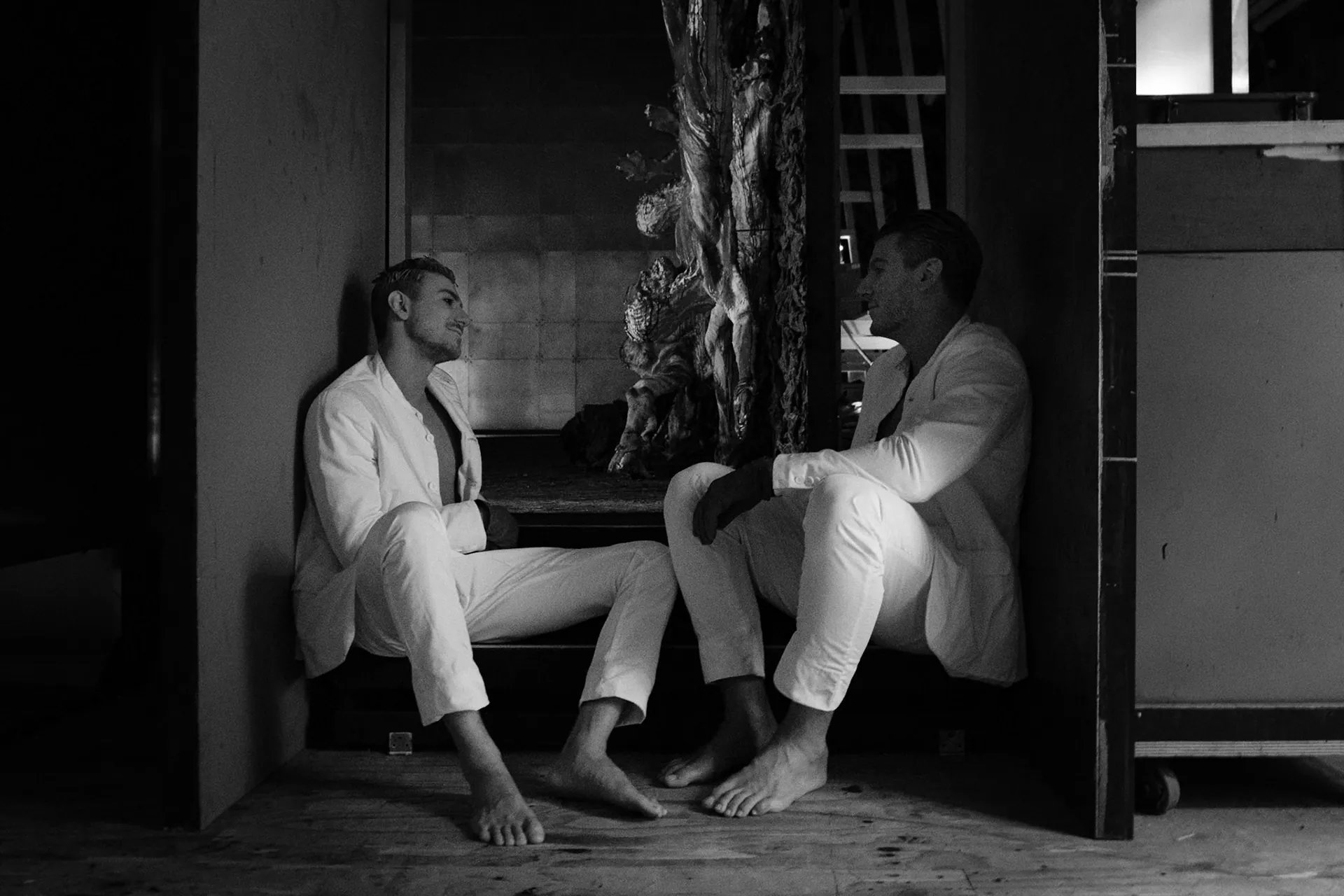
La Juive. A pause between two scenes, in a corner backstage.
One minute for a portrait
Backstage there is sometimes time for a portrait, almost never for a set-up. We use the light that is there: a work lamp, the spill of a stage light, an open dressing-room door. A few frames are enough, asked for quietly from whoever has a free moment.
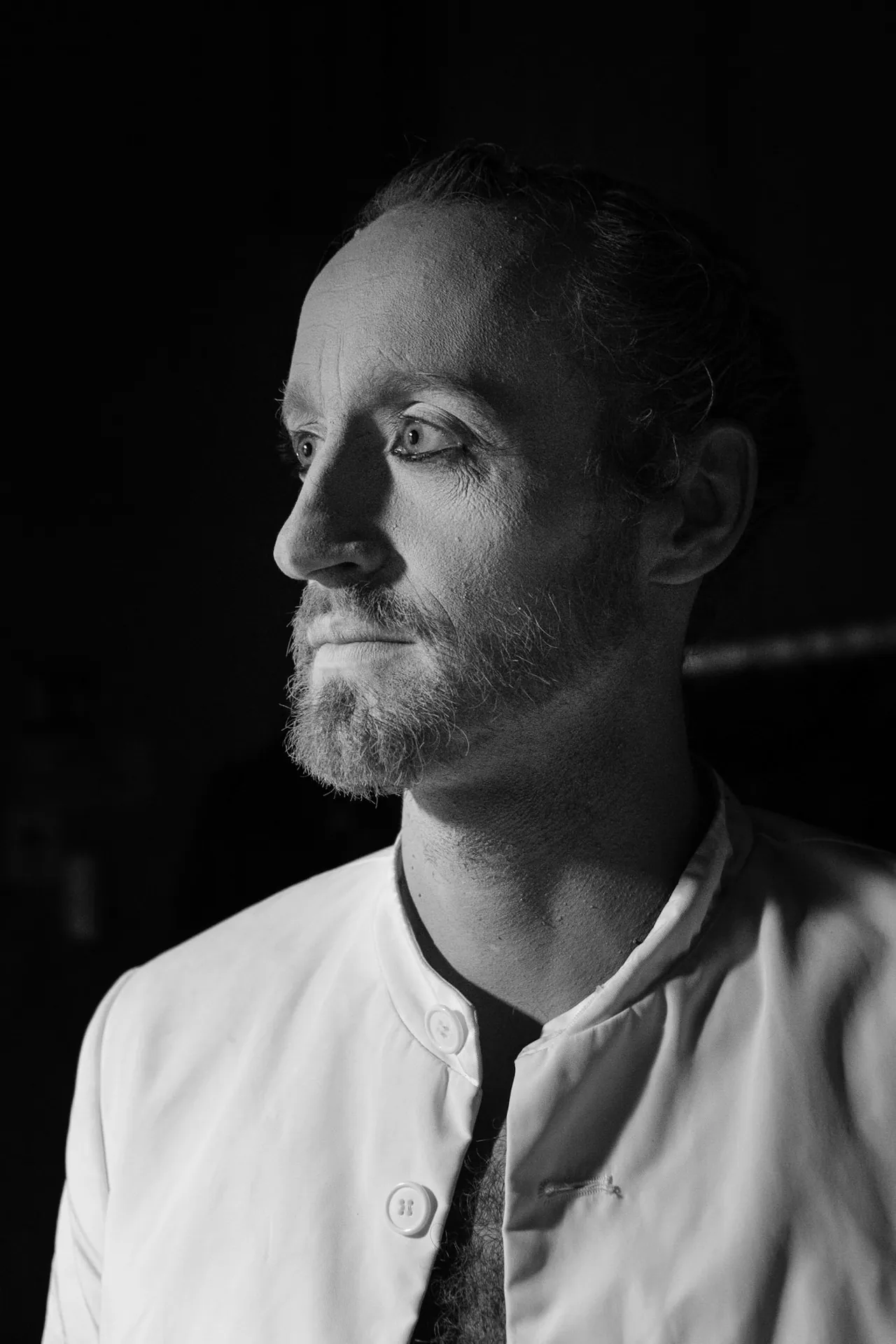
La Juive. A portrait lit from the side by a work light.
Why black and white
Backstage mixes very different lights: work neons, warm dressing-room bulbs, stage LEDs. In colour the pictures would look as if they came from different places. Black and white holds them together and moves the attention to what matters: light, faces, gestures.
What they are for
Backstage shows the theatre as a workplace. It is valuable material for communication and programmes, for exhibitions and for the archive, and it brings audiences closer to the people who never step on stage. In the Portfolio you can filter all our backstage photographs.