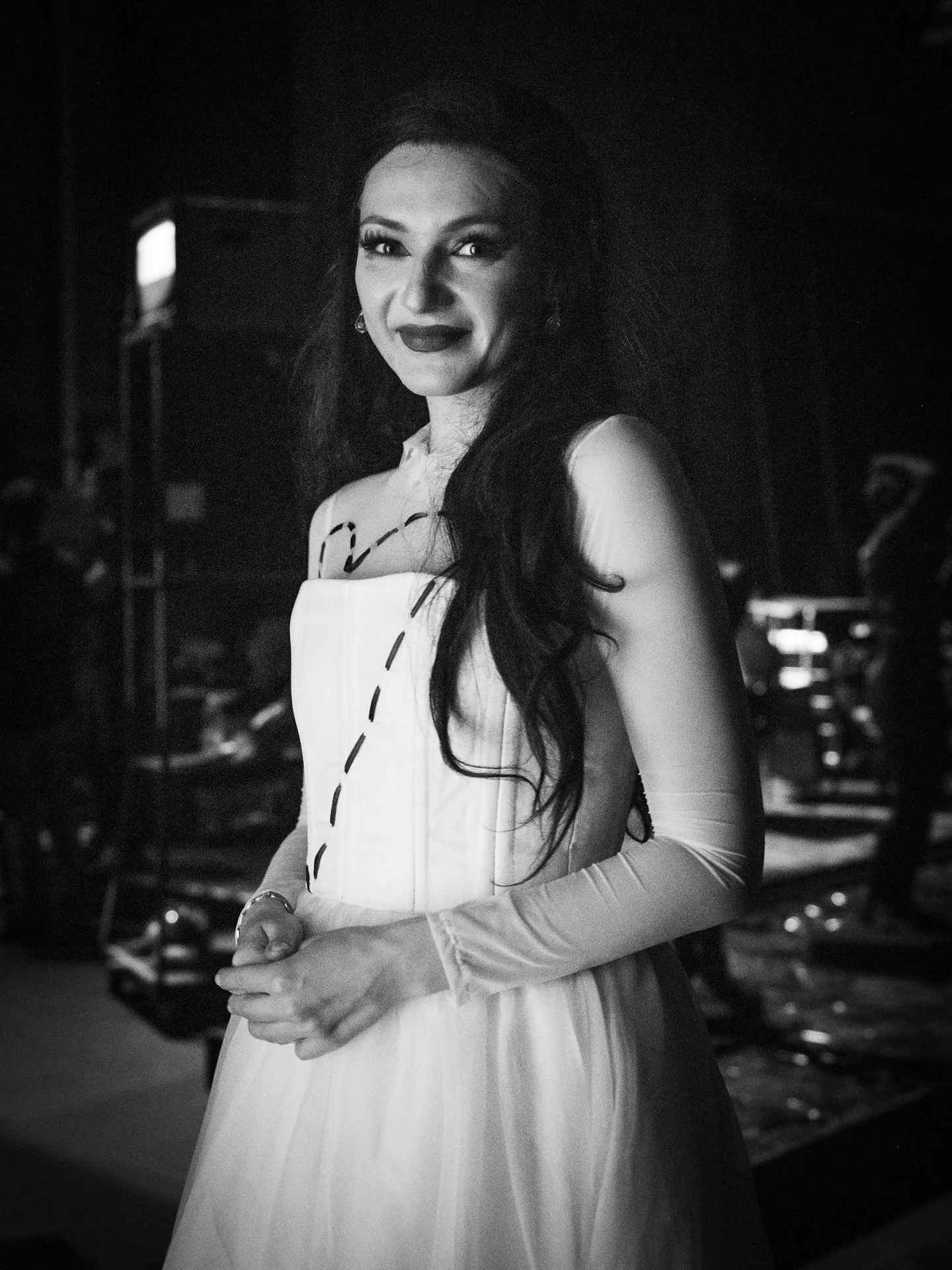
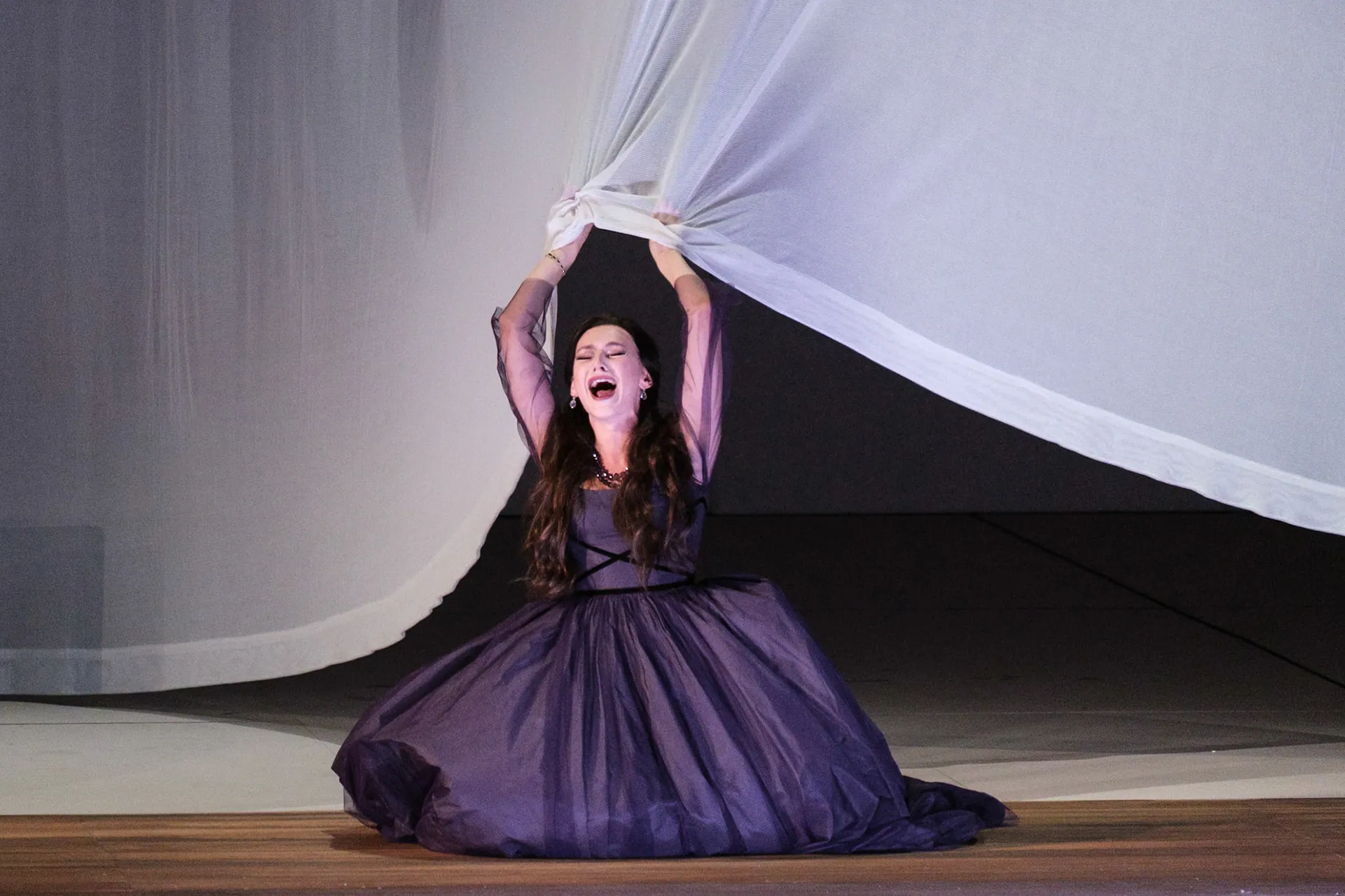
Fujifilm GFX at the opera: medium format put to the test in stage photography
Four days with Fujifilm GFX100S II and GFX100RF for Francesca da Rimini at Teatro Regio di Torino: file quality, high ISO, silence and workflow limits.
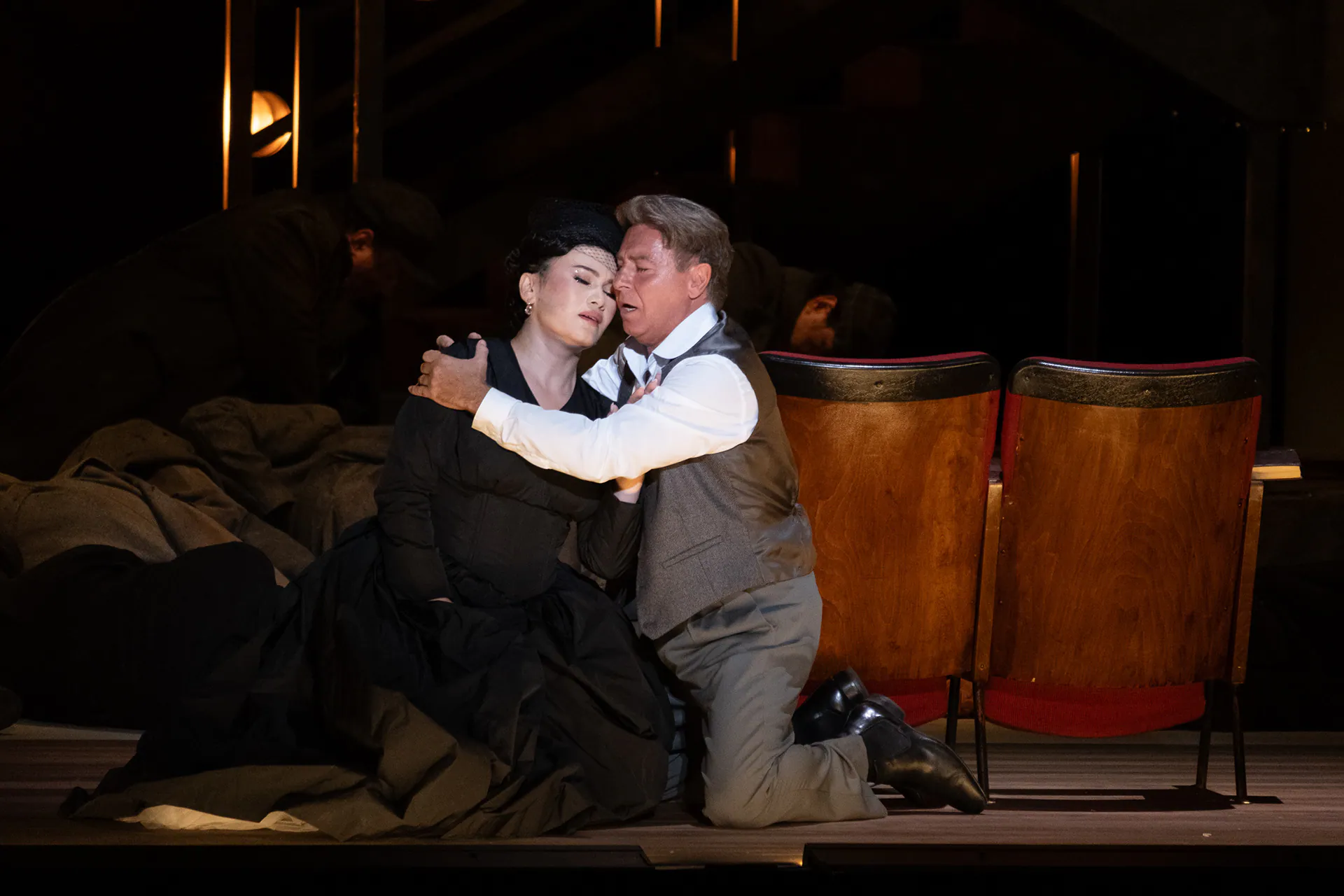
In October 2025 Teatro Regio di Torino opened its opera season with Riccardo Zandonai’s Francesca da Rimini, directed by Andrea Bernard and conducted by Andrea Battistoni. For four days, together with Daniele Ratti, we documented the production with the Fujifilm GFX system: a chance to see whether medium format can keep up with stage photography.
The job covered stage photos, from close-ups to full-stage views, backstage reportage, portraits of singers and extras, the red carpet and opening night. With tight deadlines: within an hour for the opening night, by the next morning for the stage photos.
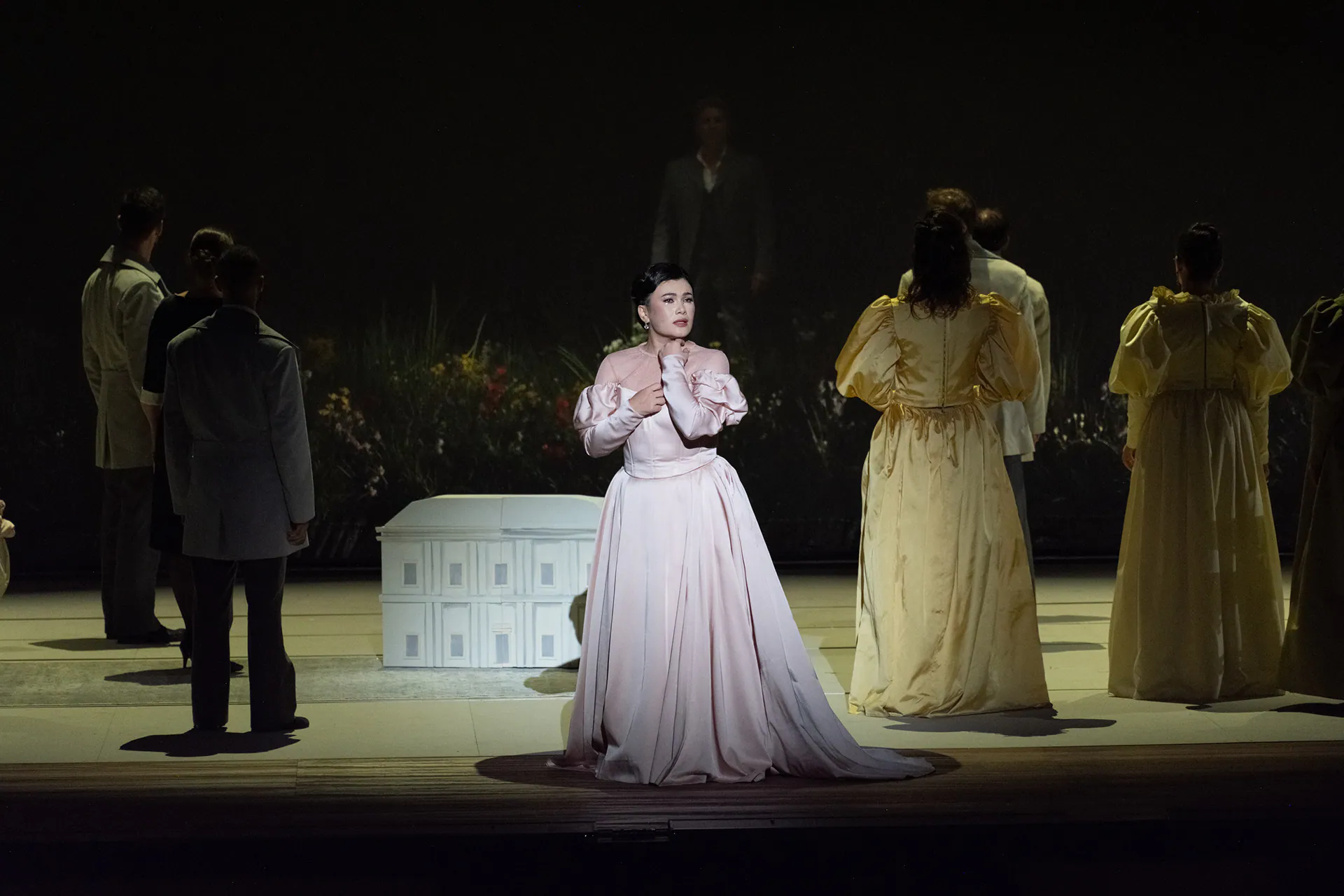
GFX100S II, 45mm, ISO 1600, f/4, 1/160 s
The kit
We used a GFX100S II with the GF 45-100, GF 35-70 and GF 100-200 lenses, and a GFX100RF, comparing them with our usual equipment.
What works
- The file. The 102-megapixel sensor delivers exceptional colour fidelity and tonal depth: costumes, sets and lighting come through as the designers intended.
- Cropping. The resolution allows reframing with no visible loss of quality.
- High ISO. Backstage, with almost no light, we worked up to ISO 10,000 with fully usable results.
- Silence. The GFX100RF shutter is very quiet; the GFX100S II less so, but still acceptable in the house. The electronic shutter cannot be used: with LED stage lights it causes flicker.
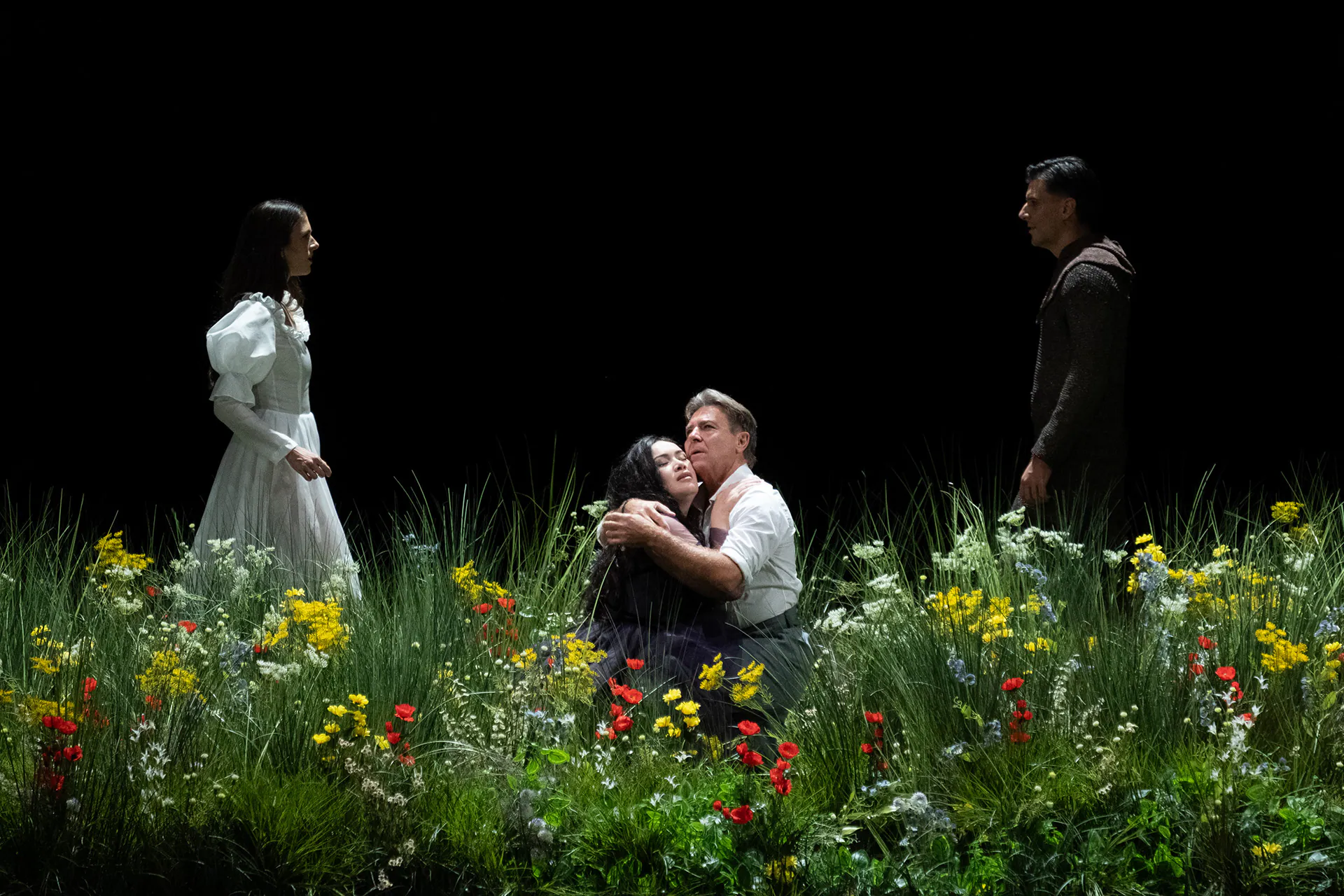
GFX100S II, 100mm, ISO 8000, f/4, 1/100 s
What holds it back
- Responsiveness. After each shot the GFX100S II pauses for about one and a half to two seconds: too long to follow a fast-changing scene.
- Controls. On the GFX100RF the front levers and dials are so dense that settings change by accident.
- Long lenses. For theatre, a telephoto zoom longer than the 100-200 is missing.
- RAF files. Copying and importing into Lightroom or Capture One is slow even on recent computers. When you deliver within an hour, it matters. Recording DNG to one of the two cards would solve most of it.
In short
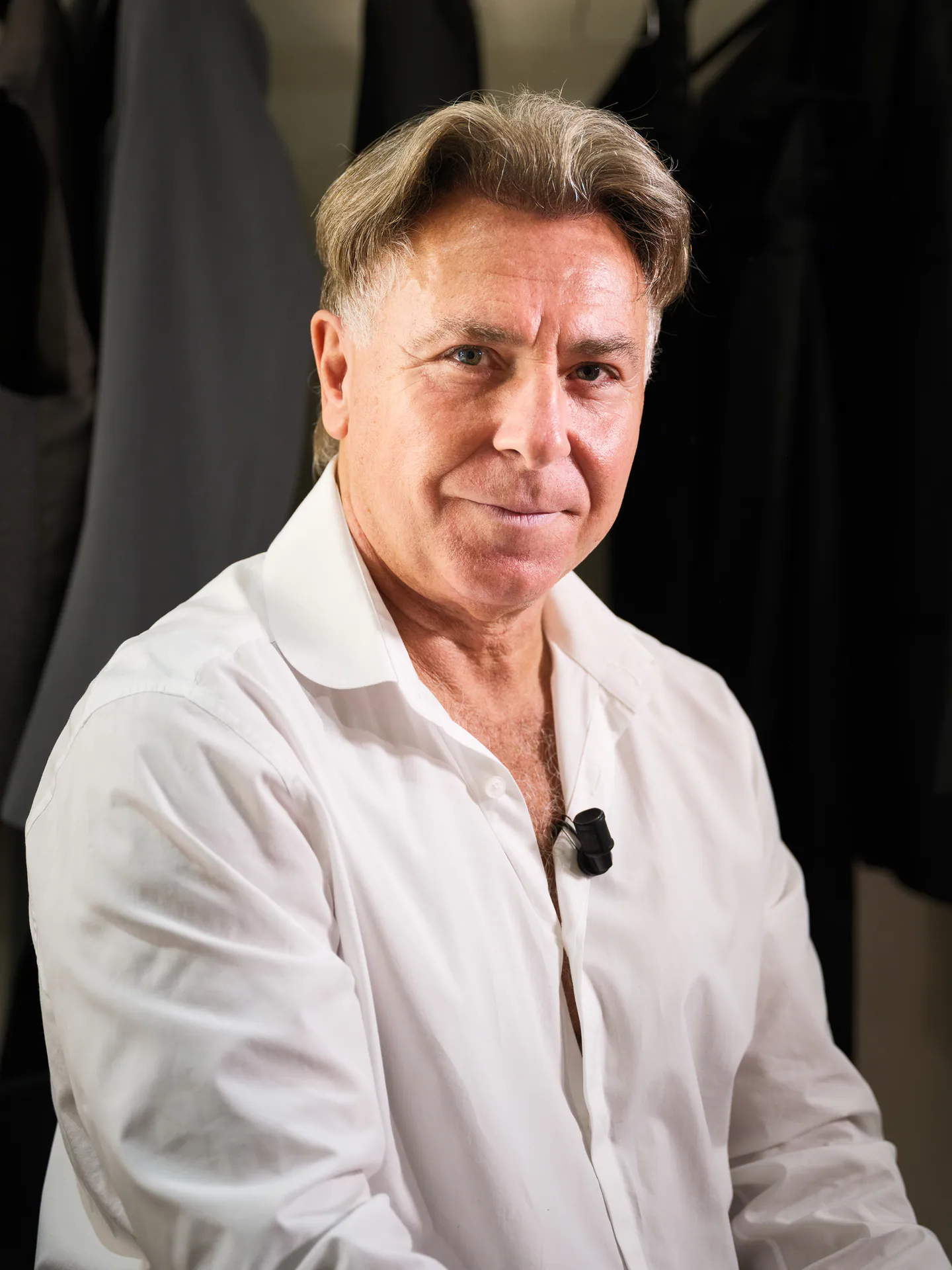
The theatre greatly appreciated the image quality and colour, and the resolution opens the door to large prints for posters and dossiers. Today, though, the GFX is better suited to studio and editorial work than to the fast pace of the stage. For backstage portraits, where there are a few more seconds, it is hard to beat.