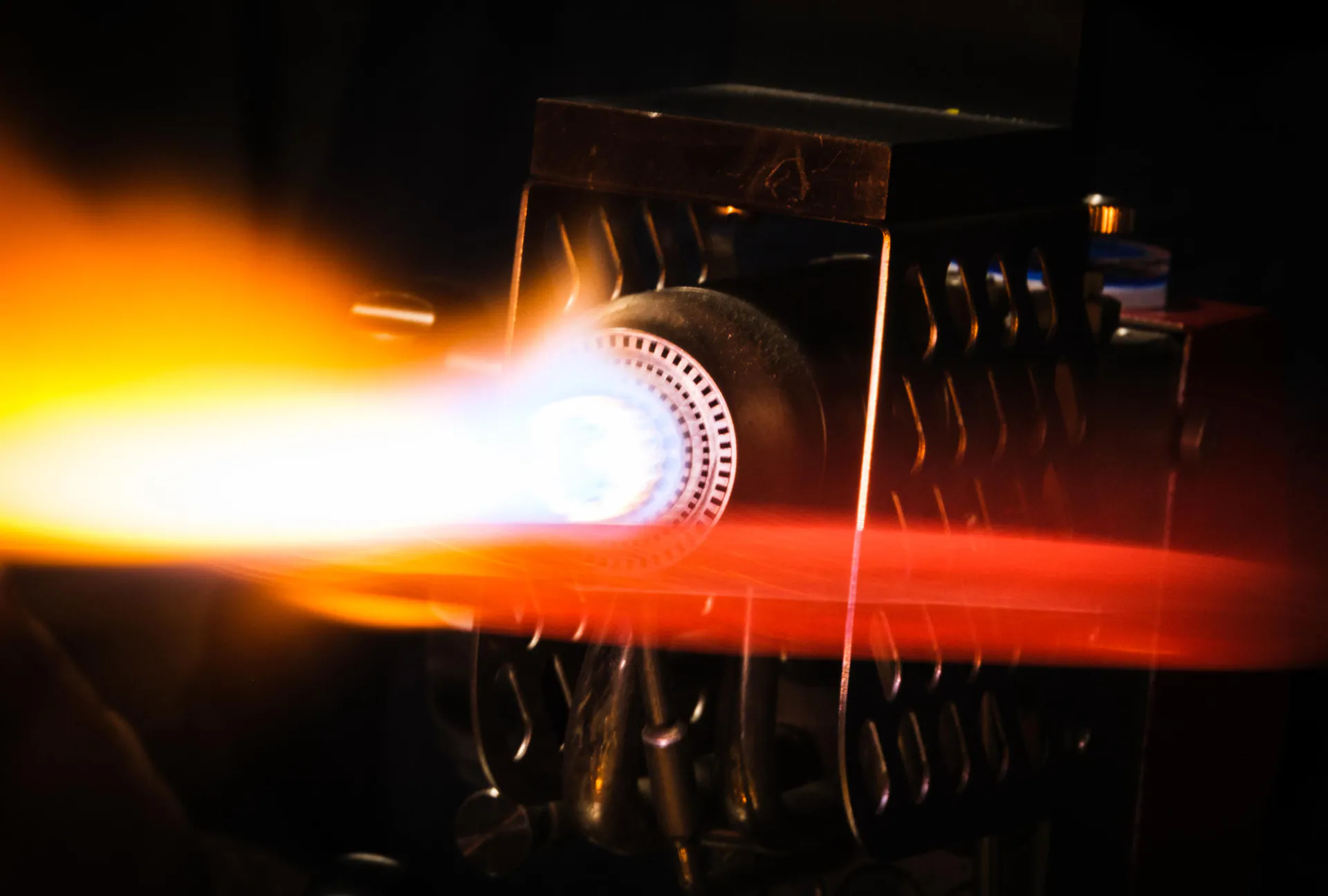
An ultra wide for the workshops of Murano: in the field with the Sigma 10-18mm
How an ultra wide lens changed the story of Perle di Luce: the Sigma 10-18mm f/2.8 in the bead workshops of Murano, with practical tips for reportage.
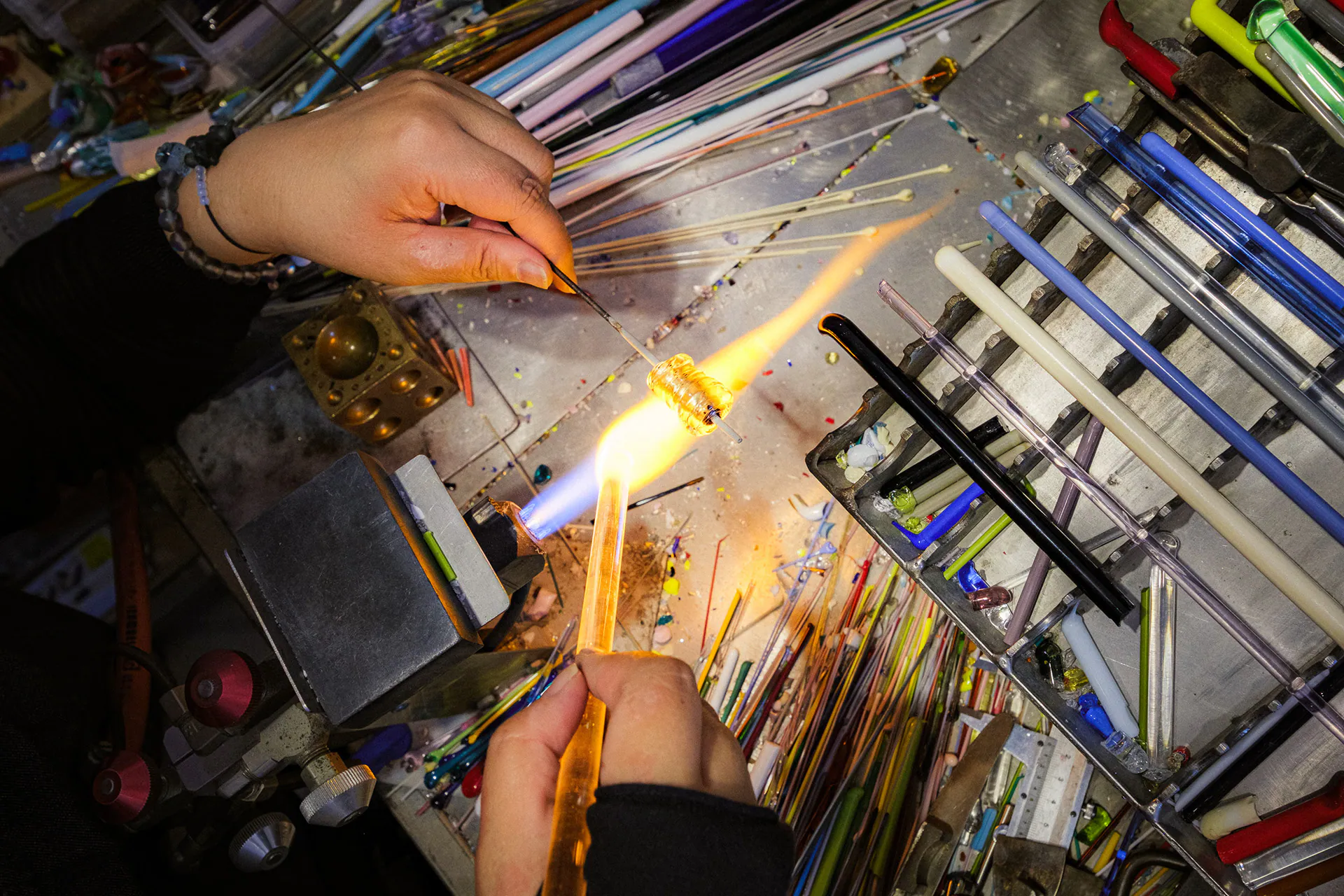
I usually work with focal lengths between 24 and 60 mm, full-frame equivalent: close enough to keep intimacy, versatile enough for almost anything. In summer 2025, as part of my work as a Sigma Italia Ambassador, I took the Sigma 10-18mm f/2.8 DC DN Contemporary on a Fujifilm X-T5 to Murano, during a key phase of Perle di Luce, my project on Venetian glass beads.
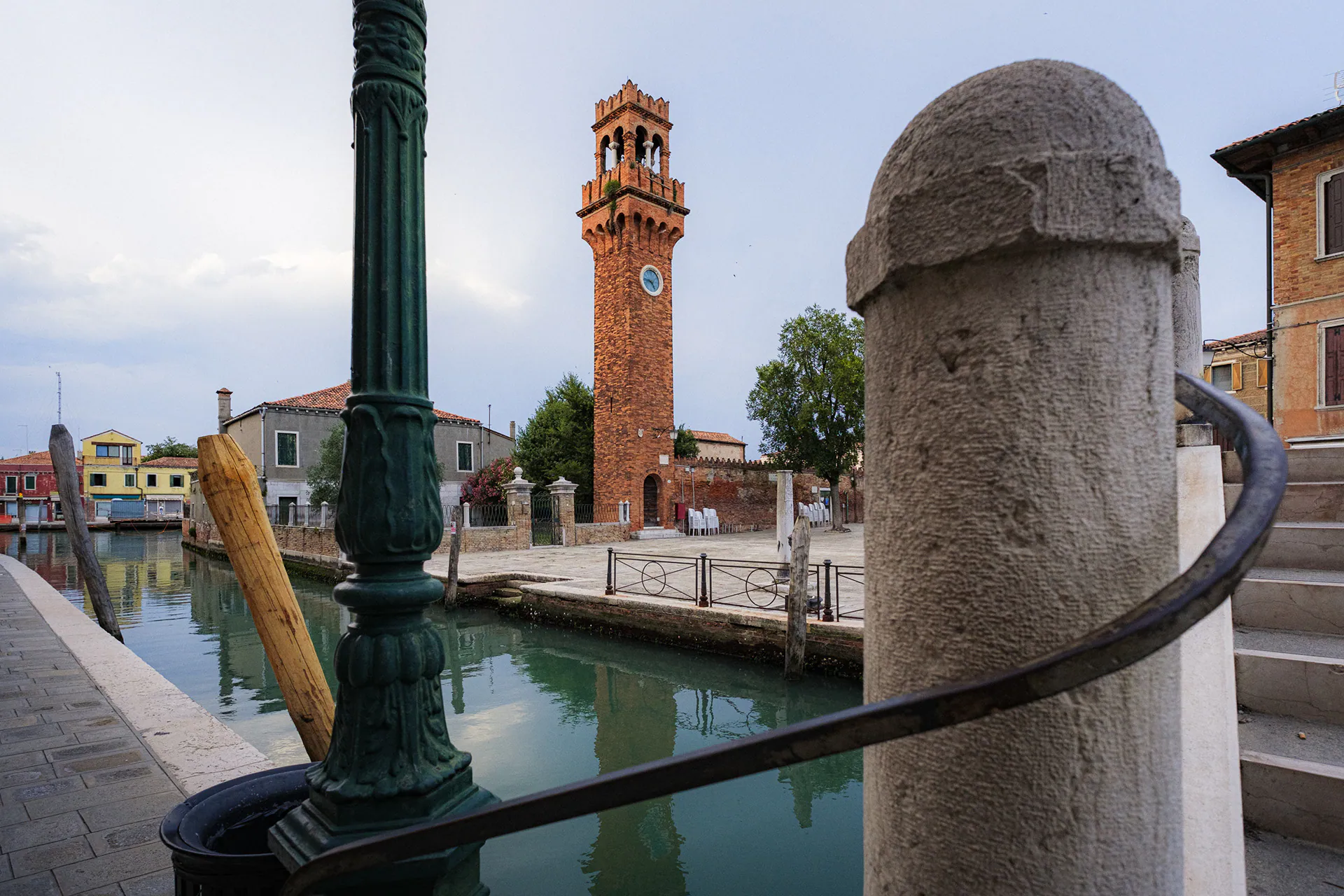
Murano, the bell tower of campo Santo Stefano from the San Pietro Martire bridge. 10 mm, f/4, 1/1000 s, ISO 800
Why an ultra wide
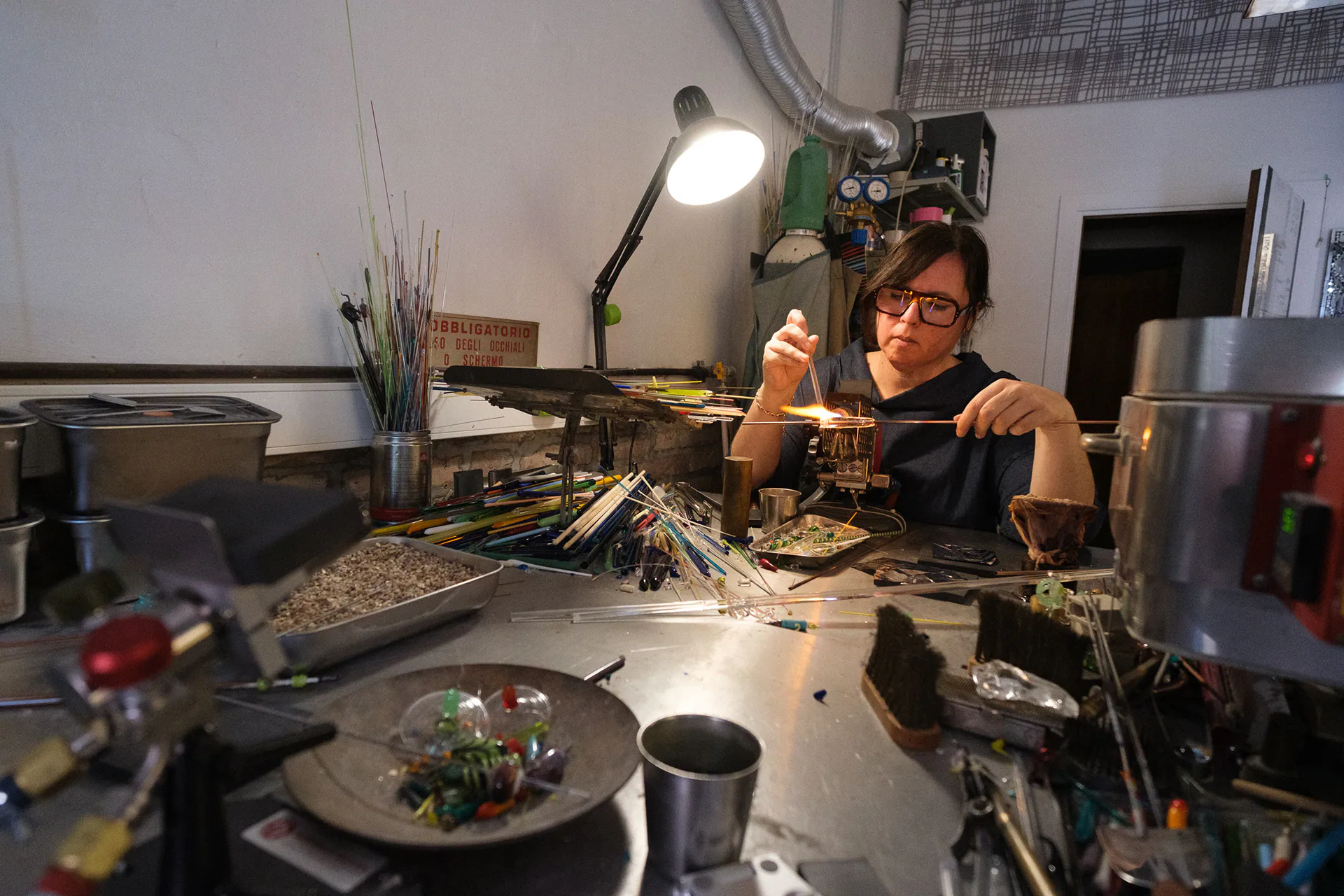
Perle di Luce follows two lines: the artisan’s gesture shaping the glass, and the context in which the tradition lives. Murano’s workshops are small and full of tools, colours and shelves. An ultra wide lets you work close and still show the space around, placing the person inside their world.
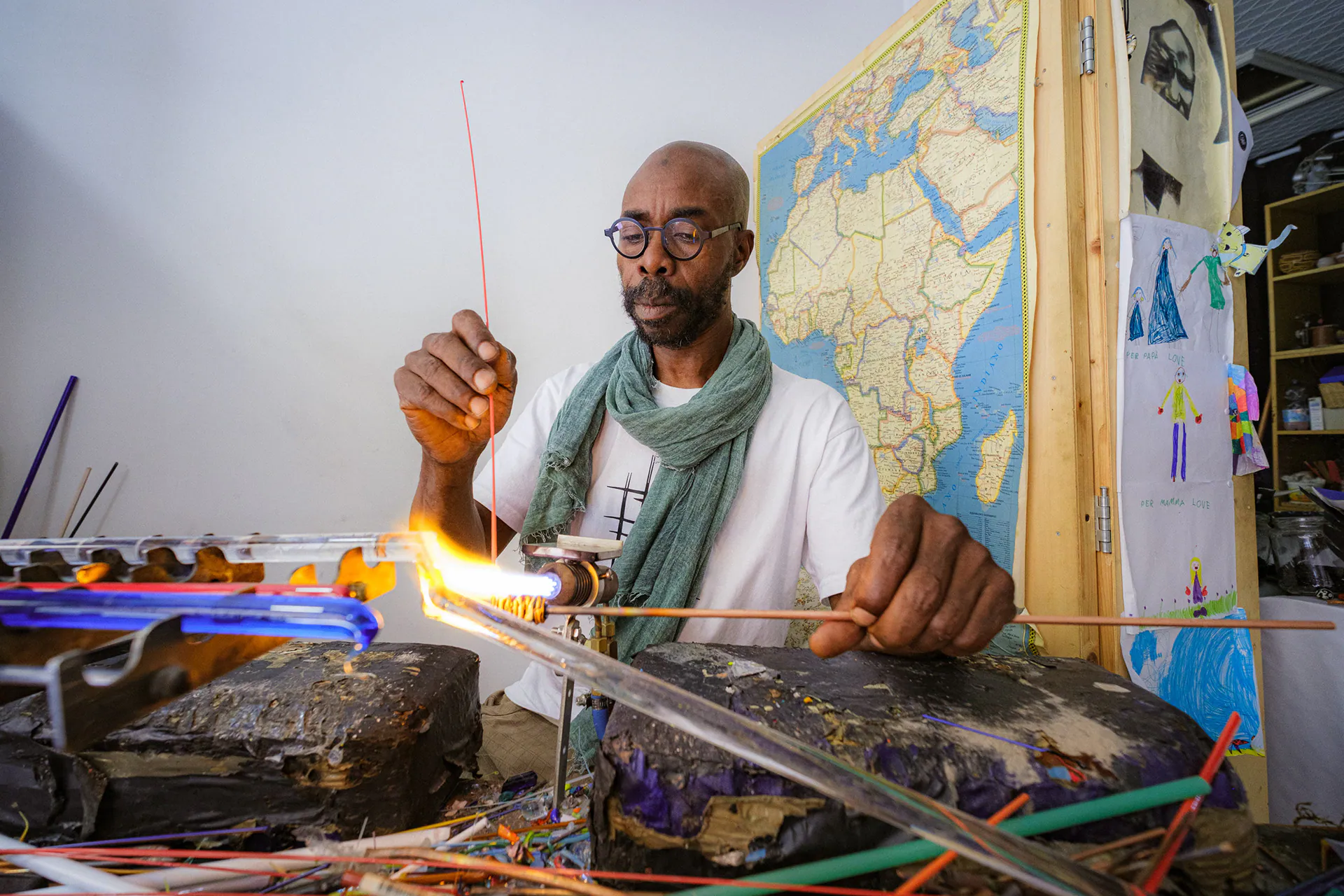
Moulaye Niang at work in his workshop. 10 mm, f/3.6, 1/100 s, ISO 800
In the field
The lens weighs 260 grams and is under 63 mm long: it goes everywhere and draws no attention, a real asset in tight spaces where you need to move discreetly. Some evenings I went out with it alone, which is unusual for me. Sharpness is excellent wide open and colour is natural: important in a project where the colour of the glass is part of the story. Distortion and aberrations are well controlled, so the images stay close to what I saw, with very little post-production.
A few tips for reportage
- Get close. An ultra wide works when there is a near subject and the space around tells the rest.
- Watch the edges. Everything stretches at the margins: keep people towards the centre and use the edges for lines and architecture.
- Alternate. Wide images give breathing room to a sequence of details and close-ups.
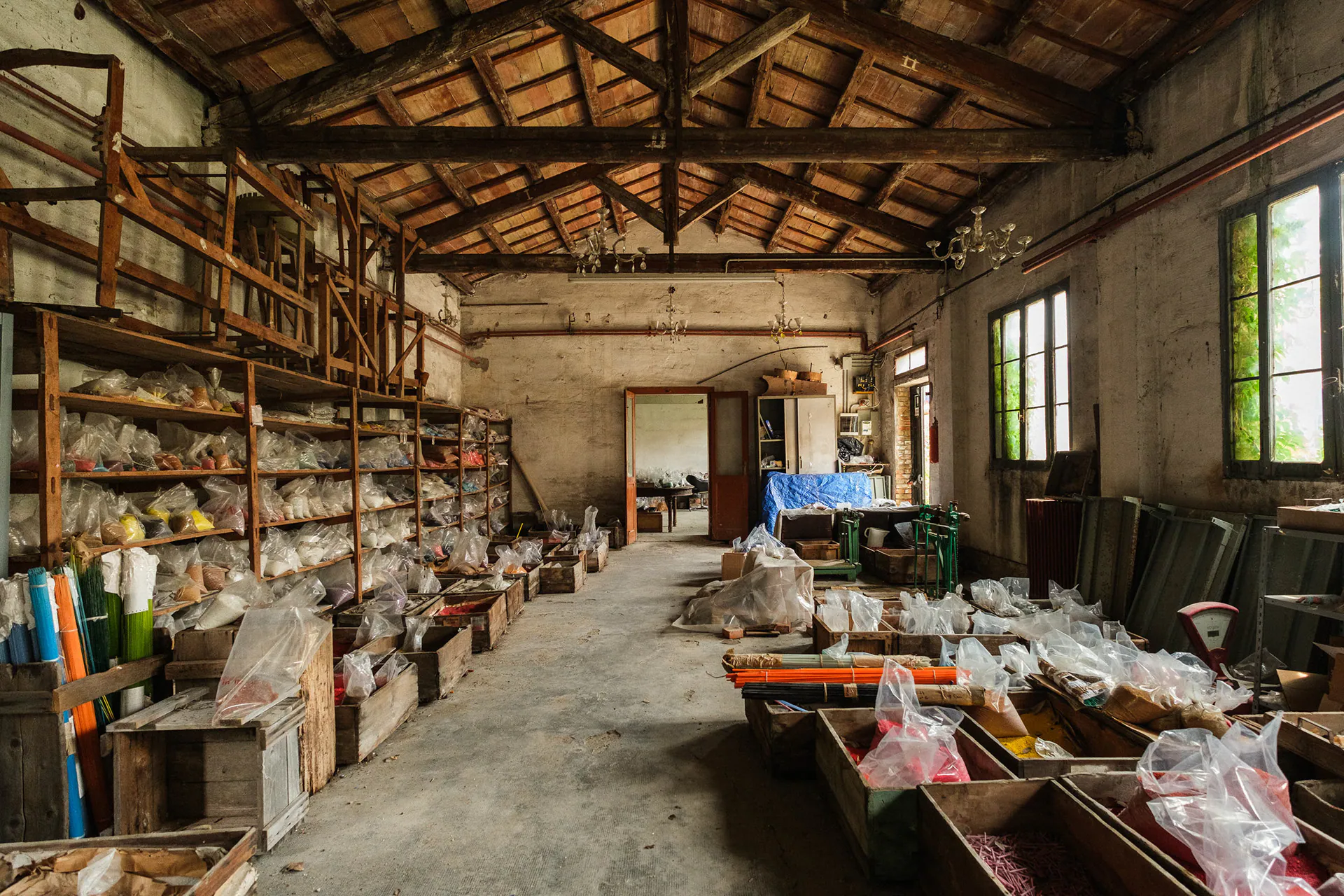
The historic seed bead factory in Murano