Sigma BF in Venice: a field test during the Perle di Luce workshop
Design, image quality, colour modes and limits of the Sigma BF, tested by eight photographers in Dorsoduro during the Perle di Luce workshop at the Venice Glass Week.
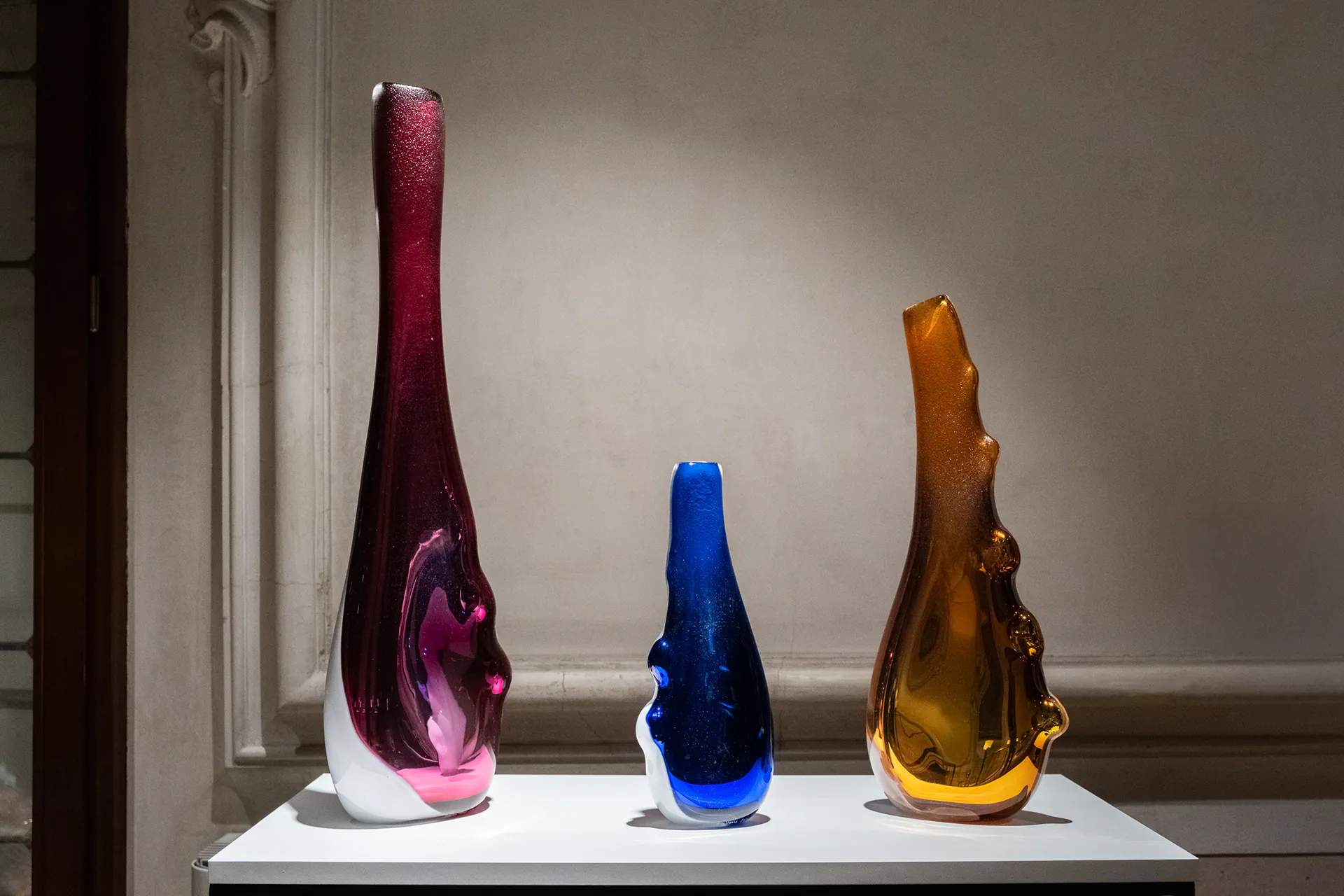
From 10 to 20 September 2026 Perle di Luce was shown to the public for the first time at Bottega Cini in Venice, with an exhibition of photographs and glass beads, talks, workshops and live demonstrations, during the 10th Venice Glass Week. For two weeks I was artist in residence at Bottega Cini, together with the English artist Holly Parr.
Among the side events was the workshop Photographing artisans, for which Sigma Italia, of which I am an Ambassador, provided two Sigma BF cameras with the 35mm and 50mm f/2 Contemporary lenses, among other lenses.
A workshop reshaped by the weather
Bad weather kept us from reaching the Murano workshops on the planned day. The workshop moved to 19 September and, with the artisans busy elsewhere, became a street and travel photography walk in the Dorsoduro district, after a visit to the exhibition. Harsh summer light, architecture, details and people: a real test, with the cameras passed between eight participants.
What we liked
- The design. Essential, recognisable and, above all, solid in the hand.
- The images. The 24-megapixel full-frame sensor balances detail and file size well, with room to crop. With the 35mm and 50mm f/2 the system stays compact and very sharp.
- DNG. Handy files, quick to transfer, ready in Lightroom and Capture One, with good latitude.
- In-camera colour. Thirteen colour modes; we mostly used Standard, Rich and Sunset Red, with results ready without post-production.
- Simplicity. Clear menus even for first-time users, 230 GB of internal memory, and an L-Mount open to Leica and Panasonic lenses.
What we missed
- A viewfinder. In summer sun the screen is often hard to read.
- A phone connection. There is no app to send a few photos on the go, useful when travelling or teaching.
- Shutter feedback. The electronic-only shutter is silent, but sometimes you cannot tell whether the shot was taken.
- A memory card. In a workshop you cannot pull a card and download while someone else keeps shooting.
- Battery life. One battery lasted about two hours: for a full day you need at least a couple of spares.
The participants’ scores
Design and build 9, ergonomics 7.5, ease of use 7, image quality 8, connectivity and professional use 4, out of 10.
The BF is a beautiful, enjoyable camera with professional image quality that makes you want to shoot. Some design choices, though, make it harder to fit into a professional workflow: today it feels aimed mainly at enthusiasts looking for a different experience.