Documenting an artist residency: how to build an archive
Seven editions of Creativamente Roero: what to document in an artist residency, how to organise the archive and why the work pays off over the years.
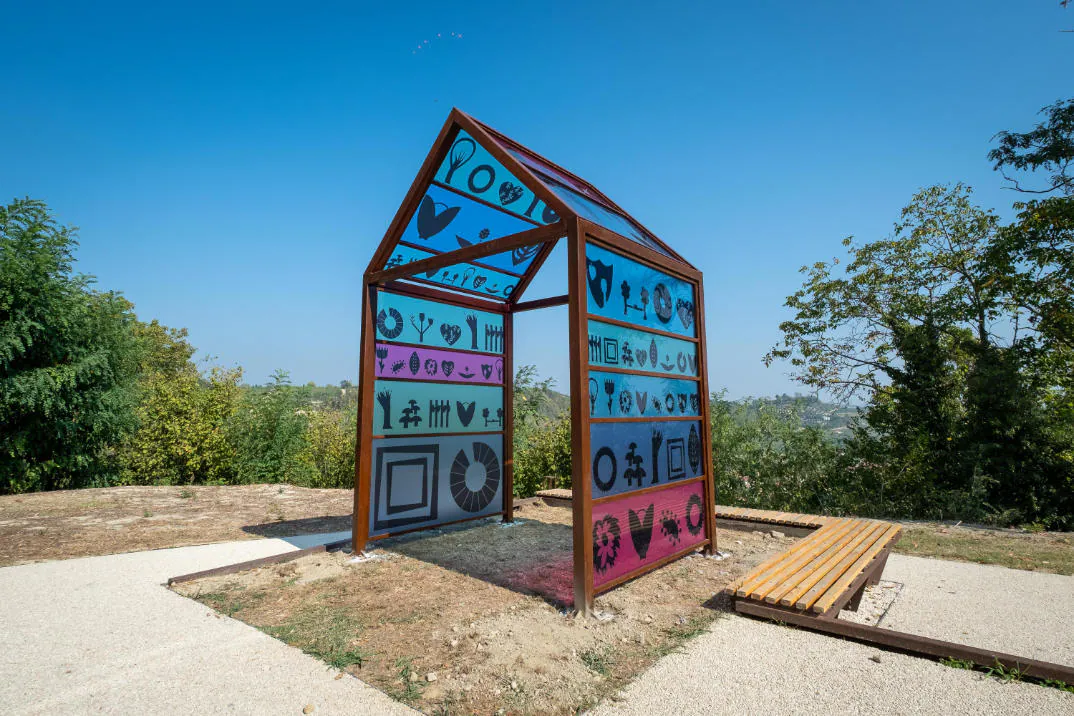
An artist residency lasts a few weeks, but its value is measured in years. Works that stay in the landscape and age with it, relationships with communities, creative processes nobody will see again. Without steady documentation most of this is lost, and with it the chance to present the project to new partners, supporters and funders.
Creativamente Roero brings contemporary artists to work among the villages, churches and castles of the Roero, the hill country on the left bank of the Tanaro, in the province of Cuneo. We have followed it since its first edition in 2018. The relationship began with an internship during university and grew edition by edition, up to responsibility for all the documentation and the digital archive.
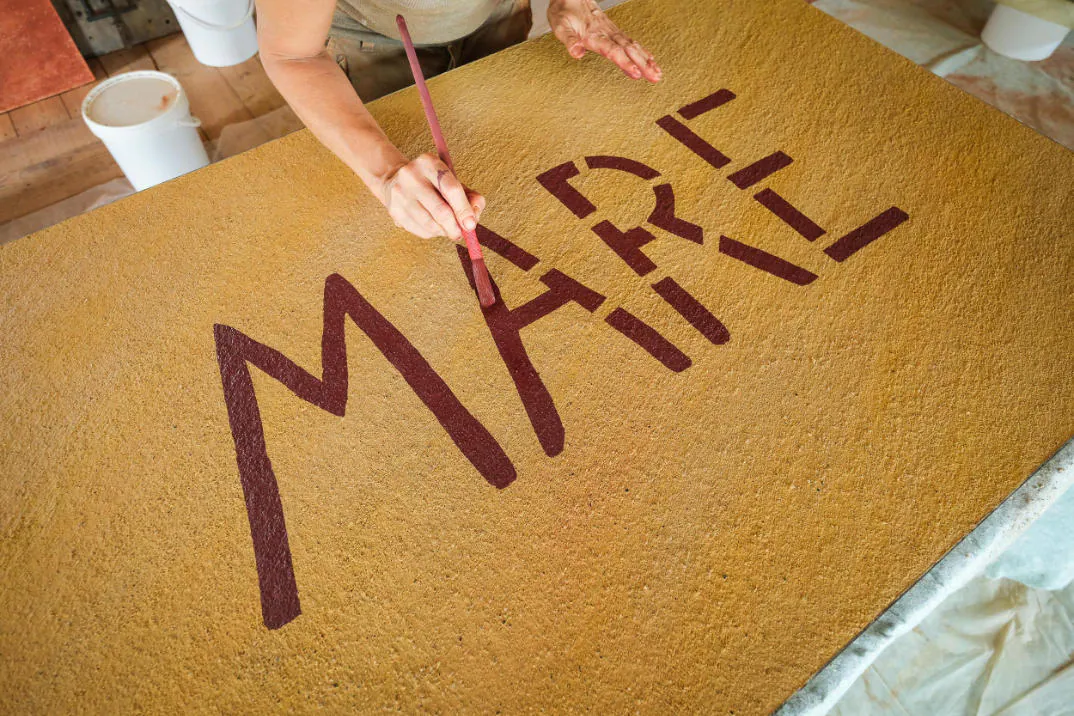
The process: a work in progress during a residency. In a few years it will be the only trace of how it was made.
What to document
Four things, in this order of urgency.
- The process. Artists at work, workshops with the public, trials and errors. It is the first thing to disappear.
- The people. Residents, volunteers, partners: without them there is no residency.
- The works. Accurate photographs of what remains in the area, also useful for maintenance and for comparing how they change over the years.
- The story. Each edition becomes a documentary, from A due passi dal mare, for the third edition, to Esercizi di Nuova Memoria and Biodiversità, l’equilibrio della coesistenza, up to In agricoltura in 2025.
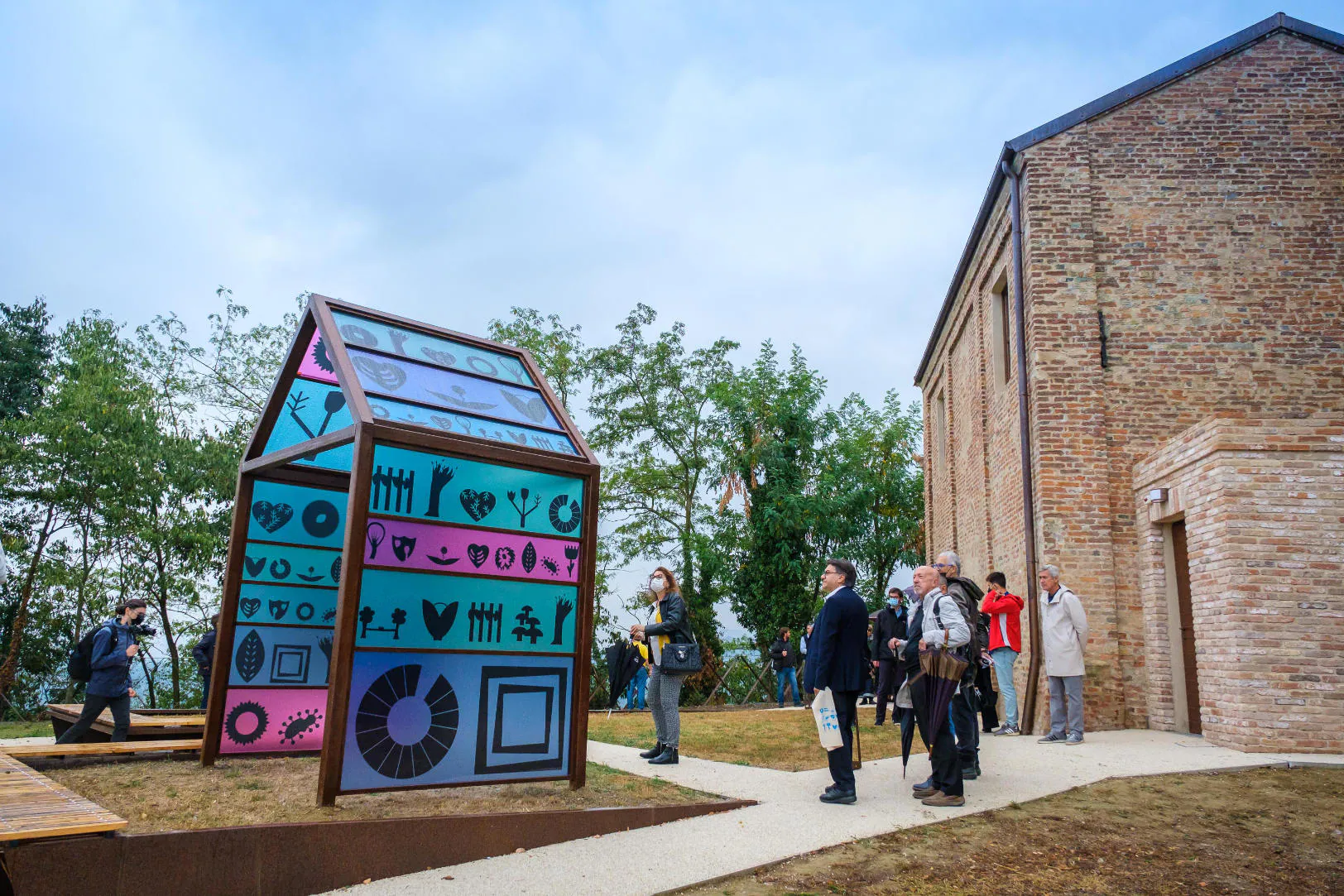
The finished work, with the audience at the opening. The same work will need photographing again in the following years.
How to organise the archive
An archive works if you can find what you are looking for, even ten years later, even if someone else is looking. That is why every edition has the same structure. A simple scheme like this holds up well over time:
2025_creativamente-roero/
  01_process/
  02_people/
  03_works/
  04_events/
  05_video/
  06_press-selection/
  credits-and-captions.txt
A few rules, always followed:
- file names with year, place and subject, never just the camera number;
- captions with artist, title of the work, place and date;
- credits written into each image’s metadata, so they are not lost when the file is copied;
- a separate selection for the press, ready to use.
The students
Today we also coordinate groups of students who take part in the documentation through a three-month internship: the same path we started from. They learn to photograph and film, but above all they learn that documenting means thinking about who will look at those images after us.
If you run a residency or a festival and want to build an archive, let’s talk.